
Hiring a Fence Company: How to Avoid Horror Stories

So, you’re ready to finally add that fence to your property. Maybe you’re looking for a little privacy, a pet-safe zone, or just a clear way to keep out that neighbor who loves to borrow lawn tools and forgets to give them back. Whatever the reason, hiring a fence company is an exciting step — if you find the right contractor, that is! Here’s how to make sure you’re not accidentally hiring “Fence by Dummy” and avoid a home improvement horror story.

1. Get Recommendations and Do Your Homework

The first step to finding a good fence company? Ask around! Talk to friends, family, or neighbors who’ve had fences installed recently. But, if they have stories involving lawsuits, broken tools, or disappearing contractors, you can consider that a “no.”

Online reviews are your next best friend. Platforms like Google, Yelp, and the Better Business Bureau provide reviews and ratings, giving you a real (and sometimes brutally honest) sense of the company’s quality.

Pro Tip: Beware of reviews that sound overly dramatic or “too good to be true.” If a reviewer is calling a contractor “the Michelangelo of fencing,” it’s probably an exaggeration.

2. Don’t Fall for the “Too Good to Be True” Estimate

When you’re collecting quotes, pay attention to the details. If one estimate is suspiciously low, it’s a classic red flag. Sure, it might seem like a great deal, but in the contracting world, the old saying holds true: you get what you pay for.

A too-good-to-be-true estimate often hides costs that will suddenly appear halfway through the job. These might include “extra charges” for things like “post adjustments,” “surcharge for fence paint that actually sticks,” and “oh, you wanted a gate that opens?”

Funny Tip: Ask if the low price includes everything you need. If they get uncomfortable or suddenly start talking in contractor jargon, it’s time to run!

3. Ask About Licenses, Insurance, and Permits

The last thing you want is an unlicensed contractor trying to put up a fence, especially when city codes or neighborhood regulations are involved. A professional fence company should be licensed and insured to cover any accidents that could happen on your property. You don’t want to be the proud new owner of a half-installed fence and a broken ladder bill.

Red Flag Alert: If the contractor says, “You don’t need a permit” or “Permits are a waste of time,” be wary. This usually translates to “I don’t know what I’m doing, but I’m confident about it.”

4. Inspect Their Previous Work

Seeing is believing. Ask for a portfolio or, better yet, a few references you can visit. If the fence in their “portfolio” has oddly tilted posts, uneven panels, or looks like it was hammered in by a toddler, it’s best to move on.

And let’s be real: a good fence should not resemble a leaning tower. So, make sure their previous projects reflect what you want — straight lines, sturdy posts, and solid craftsmanship.

5. Discuss a Timeline and Stick to It

Some contractors have the notorious habit of starting a project, then vanishing for days, weeks, or even months. Make sure the company gives you a clear timeline for completion, and don’t hesitate to ask how many projects they’re juggling. You don’t want your backyard turning into an abandoned construction zone.

Funny Insight: “We’ll be back next week” is sometimes code for “We’ll be back… eventually.” If you hear this too often, it’s time to find someone else.

6. Get Everything in Writing (Including the Escape Clause!)

A detailed contract is a homeowner’s best friend. Make sure it covers everything: timeline, materials, costs, and even cleanup (because you don’t want a yard full of random planks and concrete bags once they’re “done”).

And while you’re at it, include a clause for how to handle problems. If the fence doesn’t meet agreed-upon standards, or if the fence company decides to disappear mid-project, you need a way to get out without losing your shirt.

Final Pro Tip: Remember, it’s better to ask awkward questions up front than deal with a disaster later. Reputable companies will appreciate your thoroughness and answer openly, while shady ones will dodge or distract.


The Final Word: Your Fence, Your Call

Hiring a fence company can be a bit of an adventure, but with these tips, you’ll be ready to find a contractor who knows the difference between a plumb line and a party line. A little research and some straightforward communication can go a long way in ensuring you end up with the beautiful, functional fence you envision — and not a half-finished project that makes your yard look like a lumber graveyard. Good luck, and happy fencing!

Foundation Repair in the Midwest: Don’t Get That Sinking Feeling

Foundation repair is a critical aspect of home maintenance, especially for properties located in the Midwest. With its diverse weather patterns and soil conditions, the region presents unique challenges that can affect the stability and health of a home’s foundation. From extreme temperatures and freeze-thaw cycles to clay-rich soils that expand and contract, the factors impacting foundations are numerous. If left unchecked, foundation problems can lead to significant structural damage, costly repairs, and a decline in property value. Here’s why foundation repair is essential for Midwest homeowners and what you need to know about maintaining a stable, long-lasting home.

Understanding Foundation Issues in the Midwest

The Midwest is known for its unpredictable weather and varied soil conditions, both of which can wreak havoc on home foundations. Some of the primary factors contributing to foundation problems in this region include:

  1. Expansive Clay Soil
    Much of the Midwest has clay-rich soil, which is highly expansive. This means that it can swell when wet and shrink when dry. This constant movement can put tremendous pressure on a home’s foundation, leading to cracks, shifting, and even sinking over time.
  2. Freeze-Thaw Cycles
    The region experiences frequent freeze-thaw cycles during the colder months. When temperatures drop, moisture in the soil freezes, causing it to expand. As it thaws, the soil contracts. This repeated expansion and contraction can weaken the foundation, causing it to crack and become unstable.
  3. Heavy Rainfall and Flooding
    The Midwest can also experience heavy rainfall and flooding, which can saturate the soil around a home’s foundation. Excessive moisture can erode the soil, washing away the support around the foundation and leading to settlement or tilting.
  4. Drought Conditions
    On the flip side, drought conditions can cause the soil to dry out and shrink away from the foundation, creating voids that destabilize the structure. The combination of drought followed by heavy rain can be particularly damaging, as the soil rapidly expands and exerts pressure on the foundation.

Signs of Foundation Problems

To avoid major structural issues, homeowners should be vigilant for early signs of foundation damage. Common symptoms include:

  • Cracks in the foundation, walls, or floors
  • Doors and windows that stick or don’t close properly
  • Uneven or sloping floors
  • Gaps between walls and ceilings or floors
  • Bowed or leaning basement walls

If you notice any of these signs, it’s important to contact a foundation repair specialist for an inspection. Addressing the problem early can prevent more extensive damage and save you from costly repairs in the future.

The Importance of Timely Foundation Repair

  1. Preventing Structural Damage
    The foundation is the base upon which the entire house sits. If it becomes unstable, the rest of the structure is at risk. Cracked walls, sloping floors, and sticking doors and windows are not just cosmetic issues—they indicate that the foundation is shifting or settling. Left untreated, these problems can escalate, resulting in serious structural damage that requires extensive and expensive repairs.
  2. Protecting Property Value
    Homes with foundation issues can lose a significant amount of their market value. Potential buyers are often wary of purchasing a home with known foundation problems, as they can be costly to fix. Regular inspections and timely foundation repair help maintain the structural integrity of your home, ensuring it retains its value. In some cases, proactive foundation maintenance can even increase the home’s worth by preventing issues that would otherwise diminish its appeal.
  3. Mitigating Water Damage Risks
    A damaged foundation can create pathways for water to enter the basement or crawlspace, leading to moisture problems. Water intrusion can cause mold growth, wood rot, and other issues that compromise indoor air quality and the structural integrity of the home. Repairing foundation cracks and sealing the exterior can help keep water out, protecting your home from moisture-related damage.
  4. Ensuring Safety
    Above all, foundation repair is important for the safety of the home’s occupants. Structural damage can pose serious risks, especially if the foundation shifts to the point where walls or floors become unstable. By addressing foundation issues promptly, homeowners can protect their families from potential hazards.

Foundation Repair Solutions for Midwest Homes

The best approach to foundation repair often depends on the specific type of problem and the severity of the damage. Some common solutions include:

  • Piering and Underpinning: This involves installing steel piers beneath the foundation to lift and stabilize it. It’s commonly used for homes that have settled or are sinking.
  • Slabjacking or Mudjacking: This method involves injecting a slurry mixture beneath a sunken concrete slab to raise it back to its original level.
  • Sealing Cracks and Waterproofing: For minor foundation cracks, sealing them with epoxy or polyurethane and waterproofing the exterior can prevent water intrusion and further deterioration.

Conclusion

Foundation repair is not just an optional home improvement—it’s an essential part of maintaining the value, safety, and structural integrity of your property. In the Midwest, where expansive clay soils, freeze-thaw cycles, and variable weather conditions pose ongoing risks, proactive foundation maintenance is crucial. By staying alert for signs of damage and addressing them promptly, you can protect your investment and ensure your home stands strong for years to come.

Remember, a sturdy foundation is the key to a lasting home, so don’t wait until small cracks become big problems. Act now to keep your Midwest home in tip-top shape.

Metal Roofing: Is it a Good Option for Your Business?

When it comes to selecting a roofing material for commercial buildings, durability, longevity, and cost-effectiveness are key considerations. Metal roofing stands out as an exceptional option, providing an array of benefits that make it a preferred choice for businesses. Whether it’s a warehouse, retail center, or office building, a metal roof offers a combination of durability, energy efficiency, and low maintenance that can meet the demands of any commercial environment.

1. Durability and Longevity

One of the most significant advantages of metal roofing is its unmatched durability. Metal roofs are designed to withstand extreme weather conditions, including heavy rain, high winds, and even hail. This resilience is especially valuable in regions that experience severe weather fluctuations, as metal roofs are far less likely to sustain damage compared to traditional roofing materials like asphalt shingles or wood.

Metal roofs can last between 40 to 70 years or more with proper maintenance. This longevity far exceeds that of other roofing options, making metal roofing a sound investment for businesses looking to avoid frequent roof repairs or replacements. The extended lifespan translates into lower long-term costs, as business owners won’t have to worry about reroofing every 15-20 years.

2. Energy Efficiency

Another reason metal roofing is a smart choice for commercial properties is its energy efficiency. Metal roofs reflect solar radiant heat, reducing the cooling load on the building. This reflective quality helps maintain a cooler interior during the summer months, resulting in lower energy bills for air conditioning. For businesses operating in warmer climates, the energy savings can be substantial, leading to significant cost reductions over time.

To further enhance energy efficiency, metal roofs can be coated with specialized finishes that reflect even more sunlight and release absorbed heat. Cool roof coatings can decrease the roof’s surface temperature by up to 50°F, providing greater thermal regulation and comfort within the building.

3. Low Maintenance Requirements

Metal roofs require minimal maintenance compared to other roofing materials. They are resistant to issues like rot, mildew, and insect damage, which can plague other types of roofs. Moreover, metal is less likely to suffer from cracks, warping, or splitting, making it easier to keep in top condition. While occasional inspections and minor repairs may be needed, the upkeep for a metal roof is far less frequent and costly.

In commercial settings, where downtime for repairs can disrupt business operations, the low maintenance requirements of metal roofing can be a major advantage. This allows companies to focus on running their business without worrying about unexpected roofing issues.

4. Environmentally Friendly Option

For businesses looking to adopt more sustainable practices, metal roofing is an eco-friendly option. Most metal roofs are made from recycled materials, and at the end of their lifespan, the roofing materials can be fully recycled, reducing the environmental impact. In contrast, traditional roofing materials like asphalt shingles often end up in landfills.

Furthermore, because metal roofs last longer, they help reduce the amount of roofing waste generated over time. This longevity and recyclability make metal roofing a responsible choice for environmentally conscious businesses.

5. Fire Resistance

Safety is always a priority in any commercial property, and metal roofing provides peace of mind with its fire-resistant properties. Metal roofs have a Class A fire rating, which is the highest level of protection available. This rating indicates that the material is highly resistant to flames and can help prevent the spread of fire. For businesses storing valuable goods or sensitive information, the fire resistance of metal roofing adds an extra layer of protection.

6. Aesthetic Versatility

Gone are the days when metal roofing was limited to a corrugated, industrial look. Today, metal roofs come in a variety of styles, colors, and finishes, allowing businesses to choose a design that complements their building’s architectural style. Whether aiming for a modern look or a more traditional appearance, metal roofing can be customized to match the aesthetic preferences of the business.

7. Cost-Effectiveness Over Time

While the initial cost of metal roofing may be higher than other materials, the long-term benefits make it a cost-effective investment. The reduced need for repairs, lower energy costs, and extended lifespan all contribute to significant savings over time. Additionally, many insurance companies offer lower premiums for buildings with metal roofs due to their durability and fire-resistant properties.

Conclusion

Metal roofing is a practical and attractive option for commercial properties seeking a reliable and long-lasting roofing solution. Its durability, energy efficiency, low maintenance, and fire resistance make it an ideal choice for businesses looking to protect their investment and reduce long-term expenses. With the variety of styles and finishes available, metal roofing can also enhance the aesthetic appeal of any commercial building, making it a smart choice for forward-thinking companies.

Investing in a metal roof is not just a decision for today but a commitment to the future. It’s a roofing solution that stands the test of time while offering substantial benefits to business owners who value quality and sustainability.

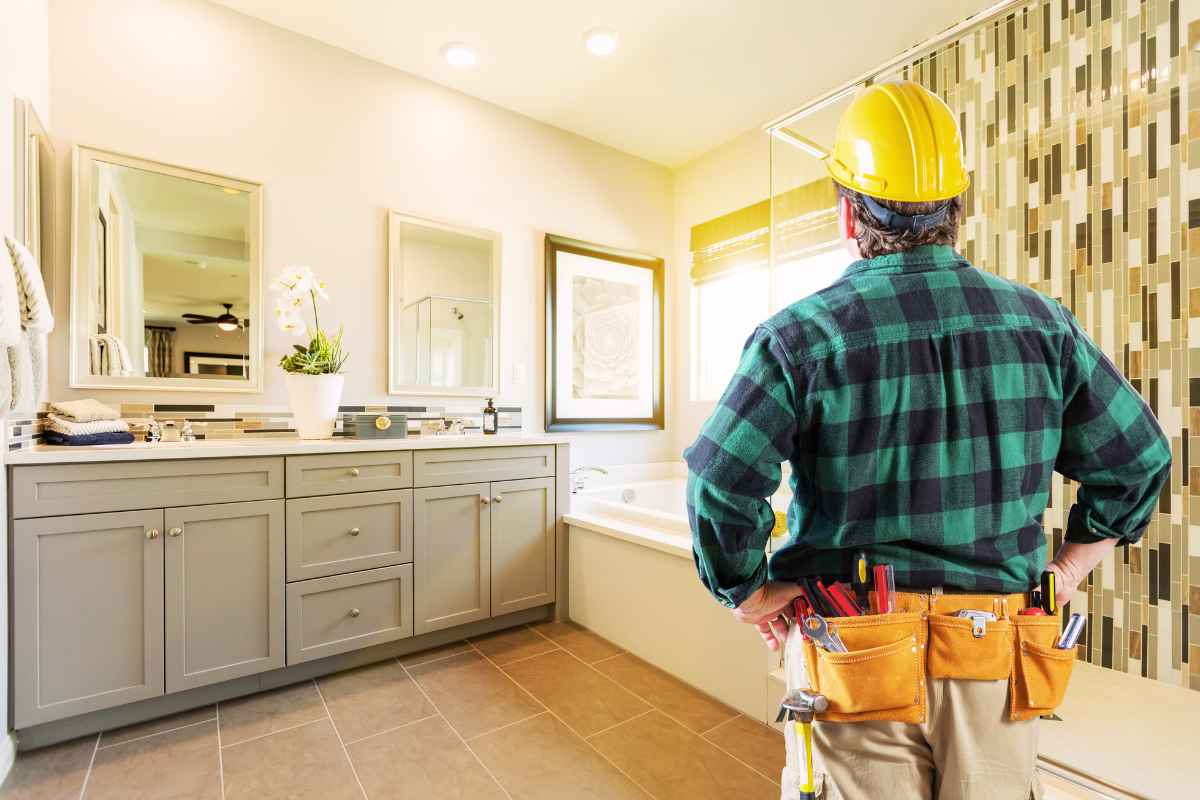
How to Choose a Good Contractor: How Not to Drown from Home Renovation Stress

Among the most important decisions during the planning of a home renovation are the choices of contractors. With the right professional by your side, the project can be completed efficiently on time and within budget, and you’d be relieved of stress. The throngs of contractors may indeed be confusing or difficult to discern who will come in handy when the work is needed. To ease this burden, here are some of the most essential tips for selecting a dependable contractor for your home renovation:.

1. Research and Recommendations

Start with recommendations. Begin asking your friends, family, and neighbors for some good recommendations. The word-of-mouth referrals are often the most trustworthy since they would be coming from people who have firsthand experience with a contractor’s work.

Wonderful recommendations, but dig a little further to also research online reviews and ratings on Google, Yelp, or Houzz. Positive and negative comments give insight into the contractor’s strengths and weaknesses.

2. Check credentials and experience

You can make a shortlist of potential contractors. Check the credentials of such potential contractors, confirming whether they have necessary licenses, full insurance coverages, and bonds. A valid license means that the contractor has fulfilled the local government requirements for doing business. This also indicates that he or she has all the required official permits to conduct this business. Insurance protects you from liability on your part in the event of accidents during the project.

Another essential factor is experience. A contractor with ample years of experience will have honed the skills and expertise required to undertake various forms of renovation projects. Ask them about their particular experience in what kind of renovation you’re interested in, be it a kitchen remodel, bathroom upgrade, or whole-home renovation.

3. References and Portfolio

Ask your contractor for references and examples of previous work. Reliable contractors must be prepared to provide you with at least a portfolio of completed projects, including contact information of some previous clients. Contact those references to ask about their experience with your contractor, including issues related to project timeliness, communications, and satisfaction in final results.

The other way to find a contractor would be through checking through their portfolio. Here, you will realize whether it is their own style and quality of work in the previous projects or not. Ensure their previous works convey an idea of what you have in mind for your renovation.

4. Obtain Detailed Quotes and Contracts

Obtain quotations from various contractors for price comparison. Any quotation which is much lower than the others should be given caution since this may be due to low quality materials and possible rushed work. A good contractor will give a price quote that separates labor costs, material costs, and other additional fees.

Having selected a contractor, it is now time to formalize a written contract prior to any of the work being done. A good contract stipulates what is in the scope, timelines, payment schedule, and changes or delays. An explicit, well-defined contract avoids misunderstandings and acts as legal protection in case of a dispute.

5. Communicate Effectively

Communication is also a big part of any renovation. Your contact must clear and timely address your issues from the first consultation until the final walkthrough. You should establish a preferred mode of communication like phone calls, emails, or meetings, and set a good expectation for regular updates on where things stand.

Should you ever have an uneasy feeling or doubt anything at all about the project, ask. A credible contractor will not be offended with explanations of areas that have caught your attention or questions to your doubts.

6. Trust Your Instincts

Lastly, trust your instincts when you are choosing the contractor. Anything less than that, such as bad communication skills or the lack of professionalism, may make you have a reason to walk away from a prospect and search for another professional to work for you. Your house is one of the best investments you can have, and you better know that the person you will be hiring is not going to use it like there’s no tomorrow.

Conclusion

The selection of a responsible contractor is indispensable in having stress-free and efficient home renovation. As such, doing background checks, verification of credentials, and portfolio reviews is part of the proper selection process, where you will be contacted by the best individual to bring your vision into life. Do not rush and do not hesitate to question them; your diligence will pay off in a successful renovation that improves the beauty and functionality of your home.