
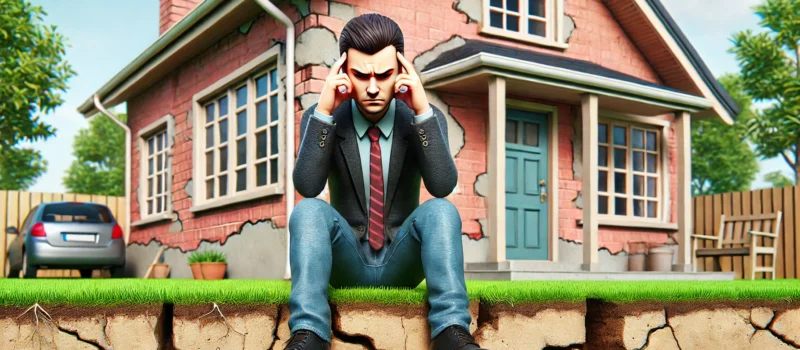
Foundation repair is a critical aspect of home maintenance, especially for properties located in the Midwest. With its diverse weather patterns and soil conditions, the region presents unique challenges that can affect the stability and health of a home’s foundation. From extreme temperatures and freeze-thaw cycles to clay-rich soils that expand and contract, the factors impacting foundations are numerous. If left unchecked, foundation problems can lead to significant structural damage, costly repairs, and a decline in property value. Here’s why foundation repair is essential for Midwest homeowners and what you need to know about maintaining a stable, long-lasting home.
Understanding Foundation Issues in the Midwest
The Midwest is known for its unpredictable weather and varied soil conditions, both of which can wreak havoc on home foundations. Some of the primary factors contributing to foundation problems in this region include:
- Expansive Clay Soil
Much of the Midwest has clay-rich soil, which is highly expansive. This means that it can swell when wet and shrink when dry. This constant movement can put tremendous pressure on a home’s foundation, leading to cracks, shifting, and even sinking over time. - Freeze-Thaw Cycles
The region experiences frequent freeze-thaw cycles during the colder months. When temperatures drop, moisture in the soil freezes, causing it to expand. As it thaws, the soil contracts. This repeated expansion and contraction can weaken the foundation, causing it to crack and become unstable. - Heavy Rainfall and Flooding
The Midwest can also experience heavy rainfall and flooding, which can saturate the soil around a home’s foundation. Excessive moisture can erode the soil, washing away the support around the foundation and leading to settlement or tilting. - Drought Conditions
On the flip side, drought conditions can cause the soil to dry out and shrink away from the foundation, creating voids that destabilize the structure. The combination of drought followed by heavy rain can be particularly damaging, as the soil rapidly expands and exerts pressure on the foundation.
Signs of Foundation Problems
To avoid major structural issues, homeowners should be vigilant for early signs of foundation damage. Common symptoms include:
- Cracks in the foundation, walls, or floors
- Doors and windows that stick or don’t close properly
- Uneven or sloping floors
- Gaps between walls and ceilings or floors
- Bowed or leaning basement walls
If you notice any of these signs, it’s important to contact a foundation repair specialist for an inspection. Addressing the problem early can prevent more extensive damage and save you from costly repairs in the future.
The Importance of Timely Foundation Repair
- Preventing Structural Damage
The foundation is the base upon which the entire house sits. If it becomes unstable, the rest of the structure is at risk. Cracked walls, sloping floors, and sticking doors and windows are not just cosmetic issues—they indicate that the foundation is shifting or settling. Left untreated, these problems can escalate, resulting in serious structural damage that requires extensive and expensive repairs. - Protecting Property Value
Homes with foundation issues can lose a significant amount of their market value. Potential buyers are often wary of purchasing a home with known foundation problems, as they can be costly to fix. Regular inspections and timely foundation repair help maintain the structural integrity of your home, ensuring it retains its value. In some cases, proactive foundation maintenance can even increase the home’s worth by preventing issues that would otherwise diminish its appeal. - Mitigating Water Damage Risks
A damaged foundation can create pathways for water to enter the basement or crawlspace, leading to moisture problems. Water intrusion can cause mold growth, wood rot, and other issues that compromise indoor air quality and the structural integrity of the home. Repairing foundation cracks and sealing the exterior can help keep water out, protecting your home from moisture-related damage. - Ensuring Safety
Above all, foundation repair is important for the safety of the home’s occupants. Structural damage can pose serious risks, especially if the foundation shifts to the point where walls or floors become unstable. By addressing foundation issues promptly, homeowners can protect their families from potential hazards.
Foundation Repair Solutions for Midwest Homes
The best approach to foundation repair often depends on the specific type of problem and the severity of the damage. Some common solutions include:
- Piering and Underpinning: This involves installing steel piers beneath the foundation to lift and stabilize it. It’s commonly used for homes that have settled or are sinking.
- Slabjacking or Mudjacking: This method involves injecting a slurry mixture beneath a sunken concrete slab to raise it back to its original level.
- Sealing Cracks and Waterproofing: For minor foundation cracks, sealing them with epoxy or polyurethane and waterproofing the exterior can prevent water intrusion and further deterioration.
Conclusion
Foundation repair is not just an optional home improvement—it’s an essential part of maintaining the value, safety, and structural integrity of your property. In the Midwest, where expansive clay soils, freeze-thaw cycles, and variable weather conditions pose ongoing risks, proactive foundation maintenance is crucial. By staying alert for signs of damage and addressing them promptly, you can protect your investment and ensure your home stands strong for years to come.
Remember, a sturdy foundation is the key to a lasting home, so don’t wait until small cracks become big problems. Act now to keep your Midwest home in tip-top shape.