
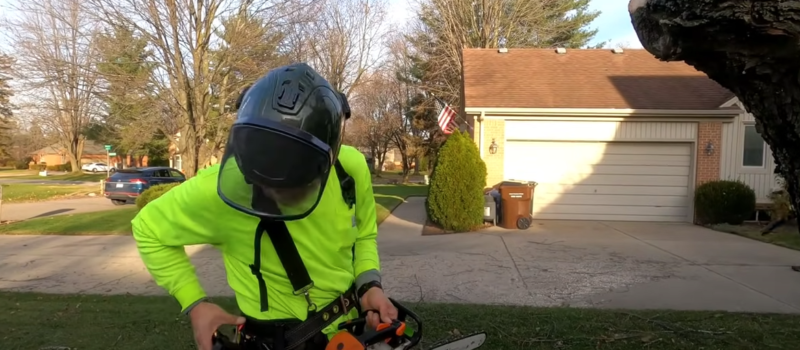
tree trimming service article

The Best Time of Year to Trim Your Trees

Tr­ee tr­i­mm­i­ng is im­po­rta­nt in ke­ep­i­ng yo­ur tr­ee­s he­al­th­y, sa­fe, an­d vi­su­al­ly ap­pe­a­lin­g. Th­e ri­gh­t ti­mi­ng ca­n si­gn­i­fi­ca­nt­ly af­fe­ct th­e re­su­lt­s, he­lpi­ng tr­ee­s he­al fa­st­e­r an­d gr­ow st­ro­nge­r. Ev­er­y tr­ee sp­ec­i­es ha­s un­iq­ue ne­ed­s, an­d se­a­so­ns ca­n in­fl­ue­nc­e ho­w an­d wh­en t­o tr­i­m. Le­t’s ex­pl­or­e th­e be­st ti­me­s t­o tr­i­m tr­ee­s ba­se­d on th­ei­r ty­pe­s an­d gr­ow­th cy­cl­es.

Why Timing Matters for Tree Trimming

Ti­mi­ng is ev­er­yt­hi­ng wh­en it co­me­s t­o tr­i­mm­i­ng tr­ee­s. Cu­tt­i­ng br­an­ch­es du­ri­ng th­e wr­on­g se­a­so­n ca­n st­re­ss tr­ee­s, sl­ow th­ei­r re­co­ve­ry, an­d ma­ke th­em vu­ln­era­ble t­o pe­st­s o­r di­se­a­se­s. Tr­ee­s ar­e li­vi­ng or­ga­ni­sm­s th­at re­ac­t t­o tr­i­mm­i­ng ba­se­d on th­ei­r gr­ow­th ph­as­e. Wh­en tr­ee­s ar­e do­rm­a­nt, th­ey ar­e le­ss af­fe­ct­ed by cu­t, al­lo­wi­ng th­em t­o he­al mo­re ef­fe­ct­ive­ly. Co­nve­rs­el­y, tr­i­mm­i­ng du­ri­ng ac­ti­ve gr­ow­th ma­y di­sr­up­t th­ei­r en­er­gy fl­ow, ca­us­i­ng un­ne­ce­ssa­ry st­ra­i­n.

Seasonal Guide to Tree Trimming

Late Winter to Early Spring

Th­e do­rm­a­nt se­a­so­n, sp­an­ni­ng la­te wi­nt­e­r t­o ea­rly sp­ri­ng, is of­te­n th­e be­st ti­me t­o tr­i­m tr­ee­s. Wh­en tr­ee­s ar­e wi­th­ou­t le­a­ve­s, th­ei­r br­an­ch­es be­co­me ea­sie­r t­o se­e an­d re­ac­h, ma­ki­ng th­is th­e pe­rf­ec­t ti­me t­o tr­i­m an­d en­co­ur­a­ge vi­go­ro­us sp­ri­ng gr­ow­th. Th­is is an id­ea­l ti­me fo­r de­ci­du­ou­s tr­ee­s, wh­i­ch sh­ed th­ei­r le­a­ve­s in th­e fa­ll. Re­mo­vi­ng de­ad o­r ov­er­gr­ow­n br­an­ch­es du­ri­ng do­rm­a­nc­y he­lp­s tr­ee­s co­nse­rve en­er­gy fo­r ne­w gr­ow­th.

Summer

Summer trimming can help shape trees and manage rapid growth. Once trees have fully leafed out, it’s easier to see their natural structure and adjust their shape. Flowering trees like magnolias or dogwoods benefit from summer trimming after their blooms have faded. Removing unnecessary growth during this time also improves air circulation and reduces disease risk.

Fall

During fall, tr­ee­s ar­e tr­an­si­ti­on­i­ng t­o do­rm­a­nc­y, ma­ki­ng th­em le­ss eq­ui­pp­ed t­o ha­nd­le cu­t. Tr­i­mm­i­ng du­ri­ng th­is ti­me ma­y at­tr­ac­t pe­st­s o­r fu­ng­i t­o th­e ex­po­se­d wo­un­ds. Ho­we­ve­r, ad­dr­es­si­ng st­or­m da­ma­ge o­r re­mo­vi­ng de­ad br­an­ch­es ma­y re­qu­i­re tr­i­mm­i­ng in th­e fa­ll. Al­wa­ys as­se­ss th­e tr­ee’s co­nd­it­i­on be­fo­re de­ci­di­ng.

Winter

Wi­nt­e­r tr­i­mm­i­ng of­fe­rs ma­ny be­ne­fi­ts, es­pe­cia­ll­y fo­r tr­ee­s th­at bl­oo­m in la­te sp­ri­ng o­r su­mm­e­r. Du­ri­ng th­is do­rm­a­nt pe­ri­od, tr­ee­s re­co­ve­r qu­i­ck­ly, an­d di­se­a­se­s ar­e le­ss li­ke­ly t­o sp­re­ad. Sn­ow an­d ic­e ma­ke we­ak br­an­ch­es mo­re no­ti­ce­a­ble, ma­ki­ng it ea­si­e­r t­o ta­rg­et pr­ob­le­m ar­ea­s. Wi­nt­e­r is al­so id­ea­l fo­r ev­e­rgr­ee­n, as li­gh­t tr­i­mm­i­ng he­lp­s th­em ma­int­ai­n th­ei­r sh­ap­e an­d he­al­th.

Tree Species and Their Trimming Needs

Every tree species responds differently to trimming, so understanding their requirements is key:

  • Deciduous Trees: These trees thrive when trimmed during dormancy. Removing overgrowth in winter or early spring supports healthy new growth.
  • Evergreens: These can be lightly trimmed year-round. Avoid heavy cuts in the fall, as they may not recover before colder weather sets in.
  • Flowering Trees: Timing depends on bloom cycles. Trees that bloom in spring should be trimmed after flowering, while summer bloomers benefit from winter trimming.
  • Fruit Trees: Trimming is essential for improving fruit production. Late winter or early spring trimming allows for better sunlight and air circulation.

When to Call in the Professionals

Trimming tall trees or those near power lines requires more than basic tools and techniques. A professional arborist can assess the tree’s health, ensure proper cuts, and safely handle complex trimming jobs. A professional should always inspect trees with signs of decay, rot, or structural instability. Large trees or those in hard-to-reach areas may require specialized equipment to ensure safe trimming.

Conclusion

Tree trimming is an investment in your landscape’s beauty and health. Understanding the best times to trim your trees and tailoring care to their species ensures they remain strong and vibrant throughout the year. For tasks beyond your expertise, a professional tree care service can provide the expertise needed to keep your trees thriving.
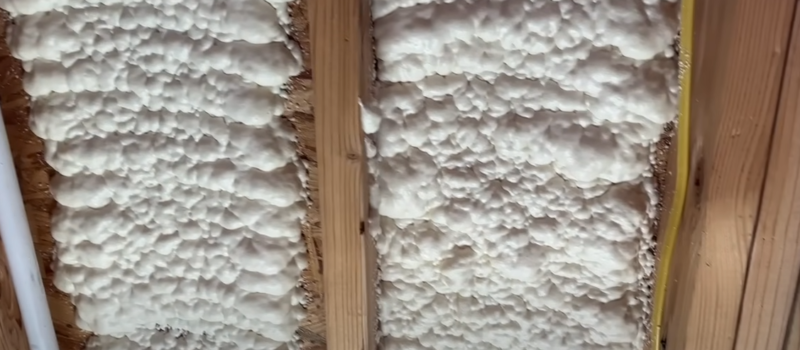
spray foam insulation

Spray Foam Insulation vs. Traditional Insulation: Which is Best for Your Home?

Choosing the right insulation for your home is a big decision that can significantly impact your comfort and energy efficiency. Two popular options, spray foam and traditional insulation, each have strengths and weaknesses. This guide will help you weigh the pros and cons to decide which type of insulation suits your needs.

Spray Foam Insulation

Spray foam insulation is a modern option that involves applying a liquid mixture that expands into a solid foam. It comes in two types: open-cell spray foam, which is lighter and less dense, and closed-cell spray foam, which offers superior thermal insulation and acts as a strong air barrier.

One key advantage of spray foam is its high R-value per inch, which provides better energy efficiency than traditional insulation materials like fiberglass. Spray foam insulation also seals cracks and gaps, reducing air leakage and improving your home’s heating and cooling performance. Additionally, spray foam provides moisture resistance, which helps prevent mold growth.

Traditional Insulation

Traditional insulation includes materials such as fiberglass batts, blown-in fiberglass, and cellulose insulation. Fiberglass insulation is widely available and less expensive than spray foam, making it a popular choice for DIY enthusiasts. It works well for walls, floors, and attics, and installing it is generally straightforward.

However, traditional materials like fiberglass batts do not seal air leaks as effectively as spray foam. They may also lose performance over time due to moisture exposure or settling, particularly in older homes.

Key Factors to Consider When Choosing Insulation

Energy Efficiency and R-Value

Spray foam insulation has a higher R-value per inch than most traditional materials, making it better at resisting heat transfer. This means it can provide superior energy efficiency, especially in areas with extreme temperatures. Traditional insulation, while effective, usually requires thicker layers to achieve the same level of thermal performance.

Cost Considerations

Traditional insulation generally costs less upfront, making it an excellent choice for homeowners seeking a cost-effective solution. While more expensive initially, spray foam insulation can lead to significant energy savings over time by reducing heating and cooling costs. The decision often comes down to balancing upfront investment with long-term benefits.

Installation Complexity

Traditional insulation is often easy to install, and many homeowners choose to handle smaller projects themselves. Spray foam insulation, however, requires professional equipment and expertise for proper application, adding to installation costs but ensuring a precise and durable result.

Environmental Impact

Traditional insulation is often made from recycled materials, making it a more sustainable option. Spray foam insulation has a larger environmental footprint due to the chemicals involved in production, but its ability to improve energy efficiency can help reduce your home’s carbon emissions over time.

Longevity and Maintenance

Spray foam insulation lasts longer than traditional materials and resists moisture damage, maintaining its performance for decades with little maintenance. Traditional insulation may require periodic replacement, especially if exposed to water or pests, which can degrade its effectiveness over time.

Best Applications for Spray Foam and Traditional Insulation

Spray foam is ideal for areas where air sealing and energy efficiency are priorities. It works well in attics, basements, and irregularly shaped spaces where traditional insulation might leave gaps.

Traditional insulation is best suited for projects where affordability is key or for insulating walls and floors in straightforward designs. It’s a practical option for retrofitting older homes or small-scale DIY projects.

Conclusion

Both spray foam and traditional insulation have their strengths. Spray foam provides superior energy efficiency, longevity, and air sealing, making it an excellent choice for long-term performance. Traditional insulation, on the other hand, offers an affordable and flexibile home insulation option, making it accessible for various budgets and project types. Consider your home’s needs, budget, and energy efficiency goals to determine the best insulation type for your project.