
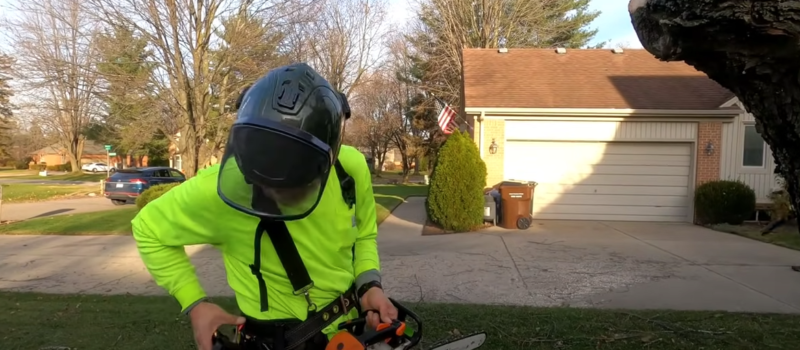
Tree trimming is important in keeping your trees healthy, safe, and visually appealing. The right timing can significantly affect the results, helping trees heal faster and grow stronger. Every tree species has unique needs, and seasons can influence how and when to trim. Let’s explore the best times to trim trees based on their types and growth cycles.
Why Timing Matters for Tree Trimming
Timing is everything when it comes to trimming trees. Cutting branches during the wrong season can stress trees, slow their recovery, and make them vulnerable to pests or diseases. Trees are living organisms that react to trimming based on their growth phase. When trees are dormant, they are less affected by cut, allowing them to heal more effectively. Conversely, trimming during active growth may disrupt their energy flow, causing unnecessary strain.
Seasonal Guide to Tree Trimming
Late Winter to Early Spring
The dormant season, spanning late winter to early spring, is often the best time to trim trees. When trees are without leaves, their branches become easier to see and reach, making this the perfect time to trim and encourage vigorous spring growth. This is an ideal time for deciduous trees, which shed their leaves in the fall. Removing dead or overgrown branches during dormancy helps trees conserve energy for new growth.
Summer
Summer trimming can help shape trees and manage rapid growth. Once trees have fully leafed out, it’s easier to see their natural structure and adjust their shape. Flowering trees like magnolias or dogwoods benefit from summer trimming after their blooms have faded. Removing unnecessary growth during this time also improves air circulation and reduces disease risk.
Fall
During fall, trees are transitioning to dormancy, making them less equipped to handle cut. Trimming during this time may attract pests or fungi to the exposed wounds. However, addressing storm damage or removing dead branches may require trimming in the fall. Always assess the tree’s condition before deciding.
Winter
Winter trimming offers many benefits, especially for trees that bloom in late spring or summer. During this dormant period, trees recover quickly, and diseases are less likely to spread. Snow and ice make weak branches more noticeable, making it easier to target problem areas. Winter is also ideal for evergreen, as light trimming helps them maintain their shape and health.
Tree Species and Their Trimming Needs
Every tree species responds differently to trimming, so understanding their requirements is key:
- Deciduous Trees: These trees thrive when trimmed during dormancy. Removing overgrowth in winter or early spring supports healthy new growth.
- Evergreens: These can be lightly trimmed year-round. Avoid heavy cuts in the fall, as they may not recover before colder weather sets in.
- Flowering Trees: Timing depends on bloom cycles. Trees that bloom in spring should be trimmed after flowering, while summer bloomers benefit from winter trimming.
- Fruit Trees: Trimming is essential for improving fruit production. Late winter or early spring trimming allows for better sunlight and air circulation.
When to Call in the Professionals
Trimming tall trees or those near power lines requires more than basic tools and techniques. A professional arborist can assess the tree’s health, ensure proper cuts, and safely handle complex trimming jobs. A professional should always inspect trees with signs of decay, rot, or structural instability. Large trees or those in hard-to-reach areas may require specialized equipment to ensure safe trimming.
Conclusion
Tree trimming is an investment in your landscape’s beauty and health. Understanding the best times to trim your trees and tailoring care to their species ensures they remain strong and vibrant throughout the year. For tasks beyond your expertise, a professional tree care service can provide the expertise needed to keep your trees thriving.